Environment Advancing sustainability through action
We strive to reduce our environmental footprint through responsible resource use, emissions management, and sustainable business practices, supporting our commitment to long-term environmental stewardship.

Driving Environmental Progress
Our environmental strategy focuses on three key priorities:
- Reducing Curium’s carbon footprint
- Strengthening resilience to climate change
- Accelerating the transition toward more circular production processes
This strategy is coordinated at Group level by a dedicated ESG (Environmental, Social and Governance) team, closely working with local representatives across countries covering key functions, including Operations, Maintenance and Health & Safety. Oversight of environmental matters is ensured at Board level as part of the governance framework, with a dedicated Executive Sponsor in the Chief Legal Officer. This structure ensures accountability, transparency, and continuous improvement across the organization.
Curium environmental strategy and its latest developments are detailed in its most recent environmental report (link).
From 2028 onwards, Curium will report under the Corporate Sustainability Reporting Directive (CSRD) and publish an annual Sustainability Report covering environmental topics as well as broader ESG dimensions.

Climate and Carbon Footprint
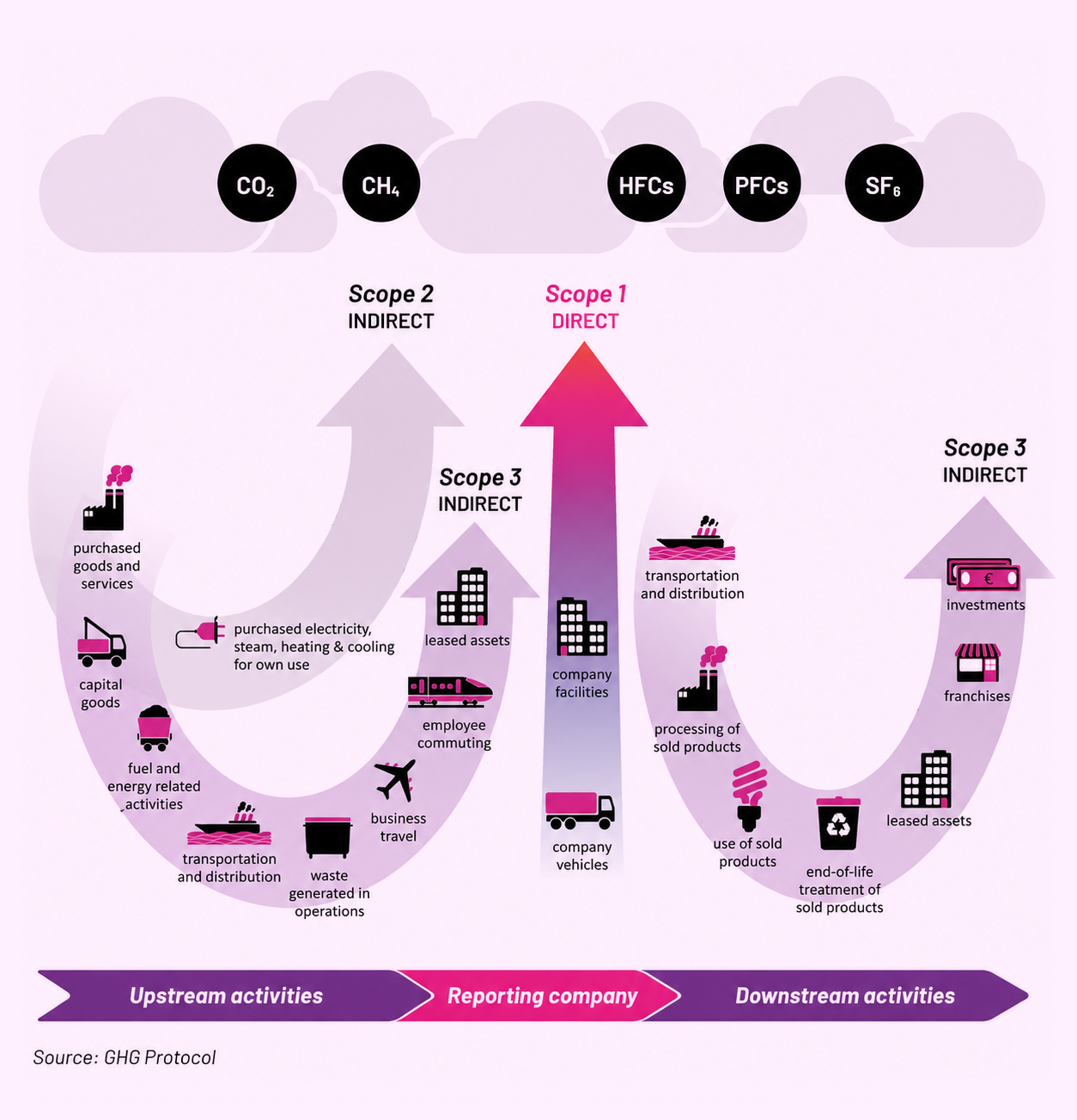
Curium is implementing a structured approach to monitoring greenhouse gas emissions and improving energy efficiency across its operations. We follow the GHG Protocol methodology which categorizes the carbon emissions into 3 scopes. Curium has been calculating its scopes 1 and 2 emissions since 2023, as well as a part of its scope 3 emissions.
Based on this work, Curium has set initial carbon reduction targets:
- 20% reduction in Scope 1 and 2 emissions by 2026.
- 30% reduction in Scope 1 and 2 emissions by 2027 (compared with a 2023 baseline).
To support these ambitions, several initiatives are already underway across our production sites:
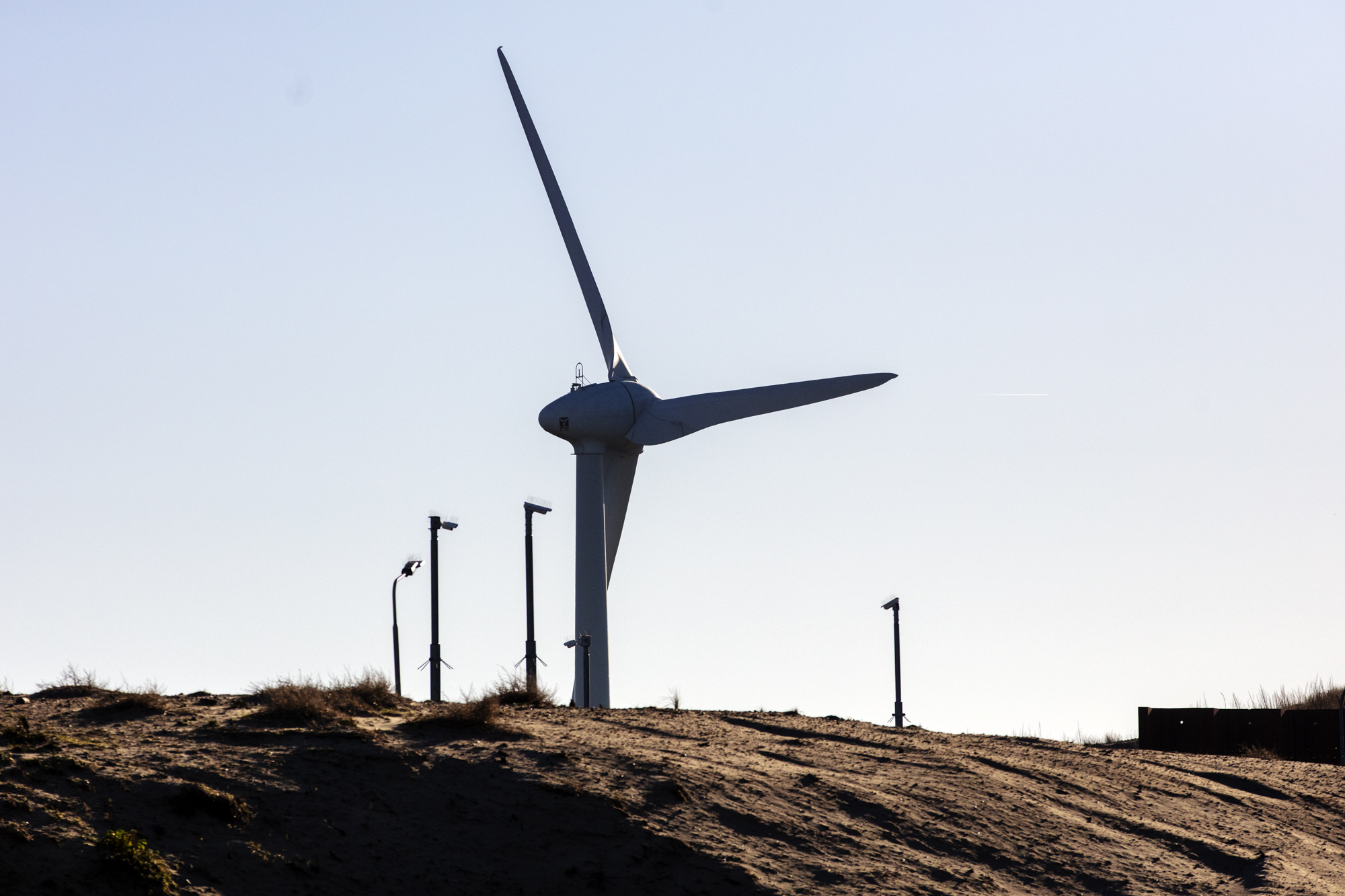
- Main SPECT production sites are increasing their use of renewable electricity, with Petten (NL) already sourcing 100% through renewable energy certificates and Maryland Heights (USA) targeting 40% renewable electricity starting in 2026.
- In addition, part of the electricity supply across several sites is supported by on-site solar generation, including Petten (NL), Gebze (TR), and smaller PET sites in the UK and France.
- Energy-intensive equipment such as boilers, HVAC systems, and cooling systems is progressively being improved or replaced over time, as existing assets age, with more energy-efficient technologies.
Circular Economy and Environmental Management
Curium is progressively implementing circular economy principles into its operations through recycling and reuse initiatives, contributing to lower raw material use and production waste.
Key initiatives include:
- On raw material: in Europe, Oxygen-18 used for Fluorine-18 production is recycled, with around 20% of enriched water currently recovered and a long-term target of 40% across the Group. In parallel, Thallium-203 used for Thallium-201 Chloride production is recovered after irradiation and reused, reducing the need for new thallium oxide by approximately 80%.
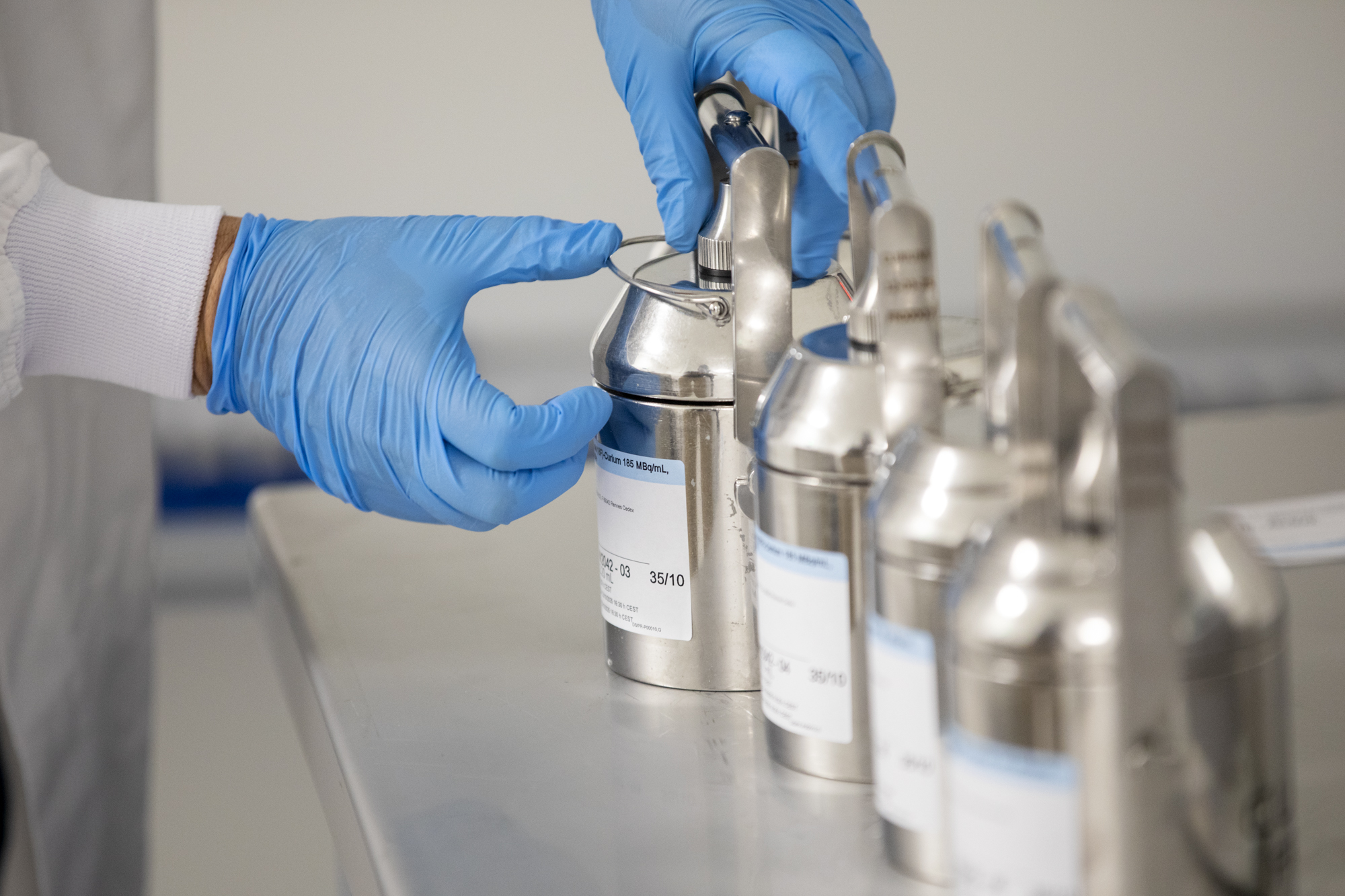
- On lead containers: reverse logistics flows have been implemented to recover lead pots used for product delivery. For UTK generators, a specific deposit-based return system enables their shipment back to Petten (NL) for reuse, allowing each generator to be reused up to eight times.
More broadly, several sites are strengthening their environmental management practices to further support circularity across operations. Six Curium sites in Spain are already ISO 14001 certified, with additional certifications in progress.
Fostering Environmental Awareness
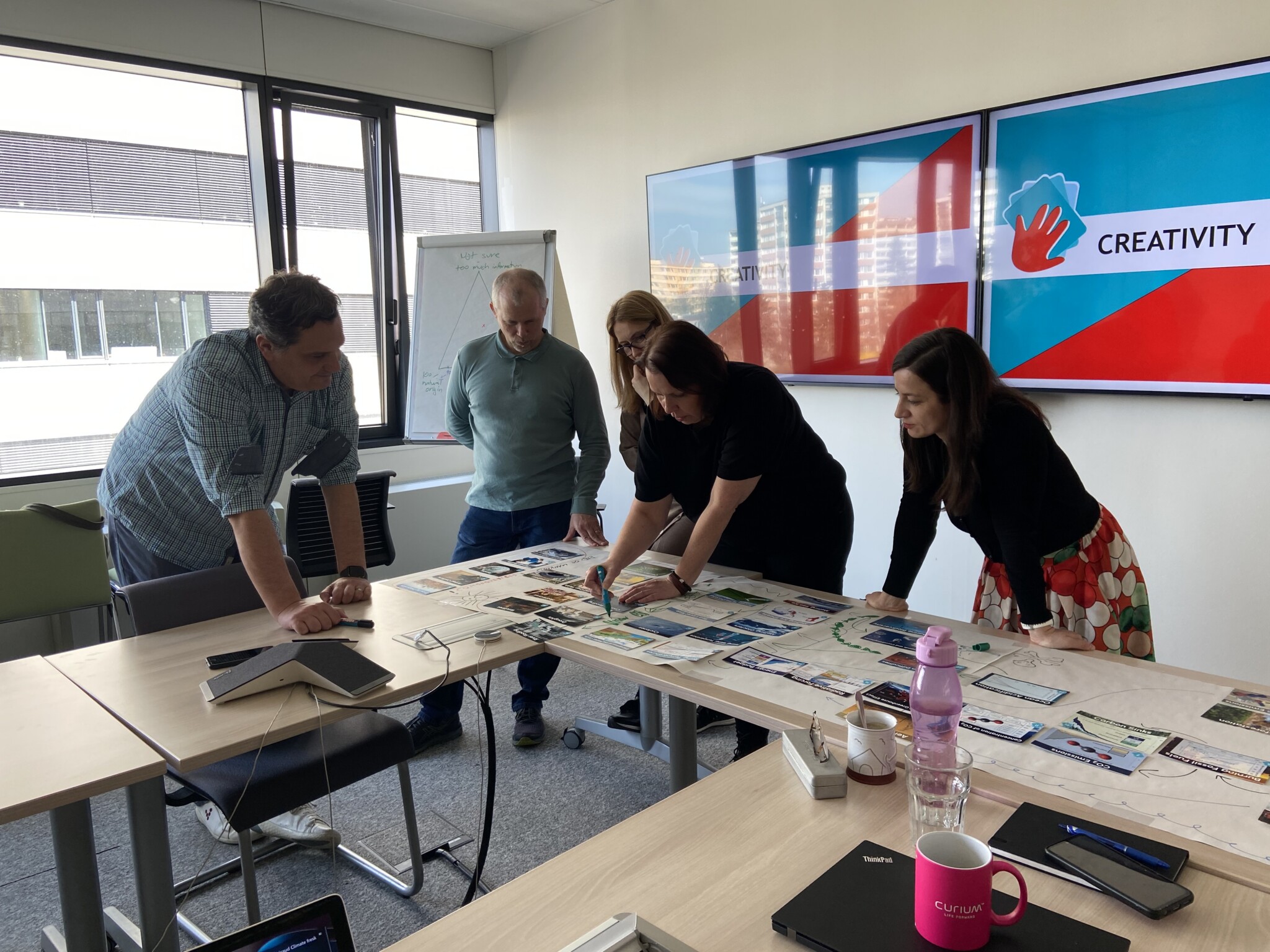
Curium believes meaningful environmental progress starts with employee engagement and education. Through Climate Fresk workshops organized across multiple regions, colleagues are developing a deeper understanding of climate challenges and the actions needed to reduce environmental impact. As of today, more than 150 people have attended a workshop.