
How it works

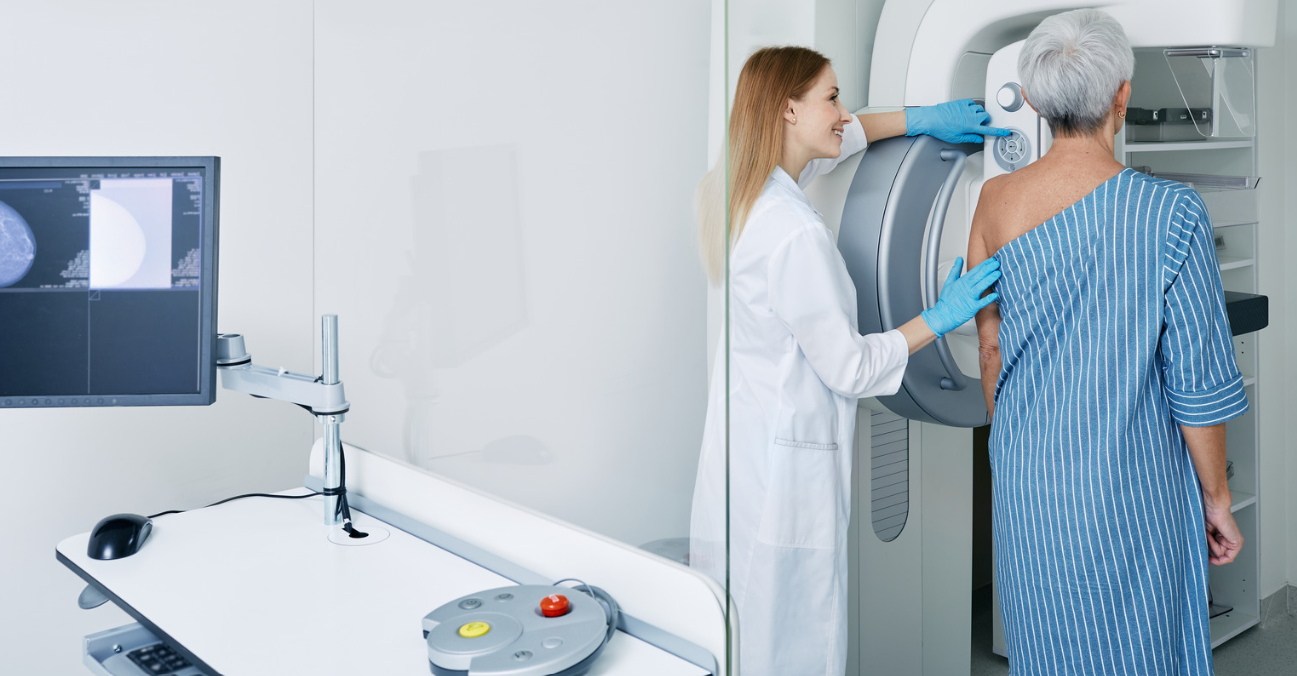
Nuclear medicine uses small amounts of specialised radioactive materials, known as radiotracers, combined with advanced imaging technology.
Once administered, a radiotracer follows natural biological pathways in the body. As it moves, it emits signals that are captured by specialised cameras and converted into images. These images reflect real biological activity, giving clinicians a clearer picture of what is happening inside the body.
What makes this approach different is that it focuses on function, not just structure.
What nuclear medicine can show
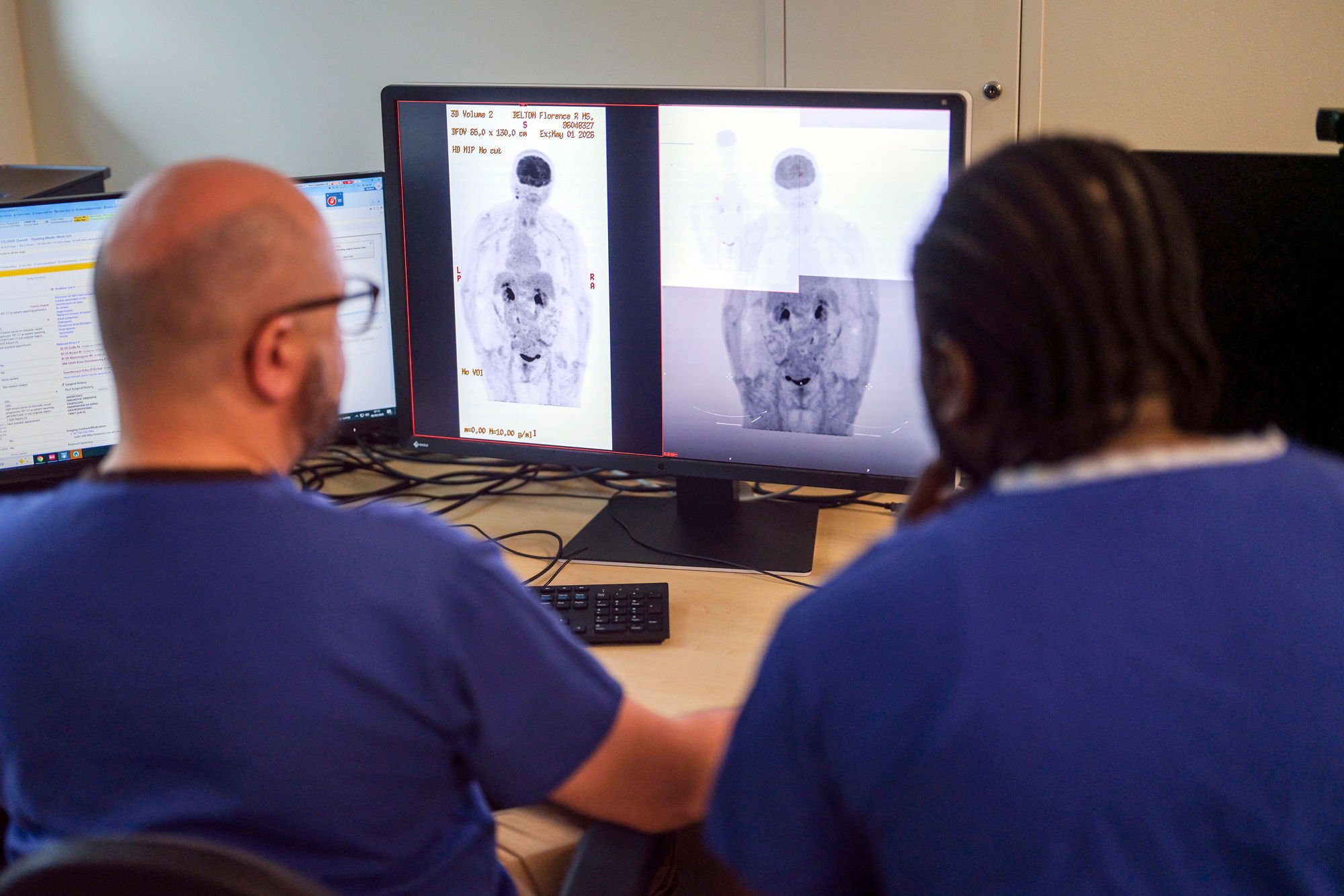
Nuclear medicine doesn't just show what the body looks like, it shows how it's functioning.
Because it visualises how the body behaves in real time, nuclear medicine can reveal important information such as:
- How well organs are functioning
- Changes in cellular activity that may indicate disease
- How a condition is progressing or responding to treatment
These insights often appear before physical changes are visible on other scans.
A targeted, precise approach
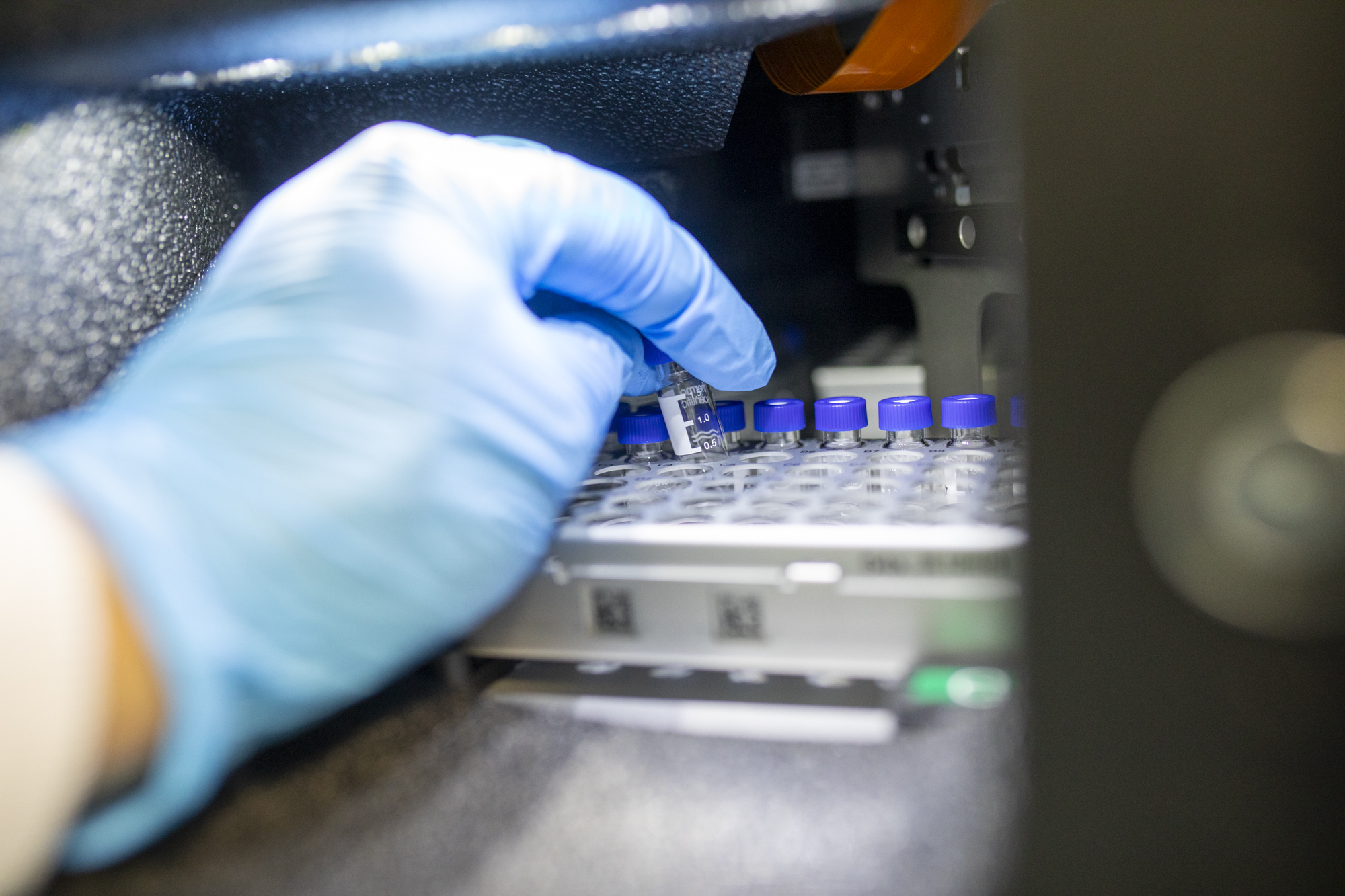
Radiotracers are designed to gather information from specific organs or tissues.
This targeted approach allows doctors to focus on the areas that matter most, supporting accurate diagnosis and more personalized care.
In some cases, nuclear medicine is also used therapeutically, designed to deliver treatment directly to affected cells while aiming to limit impact on healthy tissues.
Where nuclear medicine is used
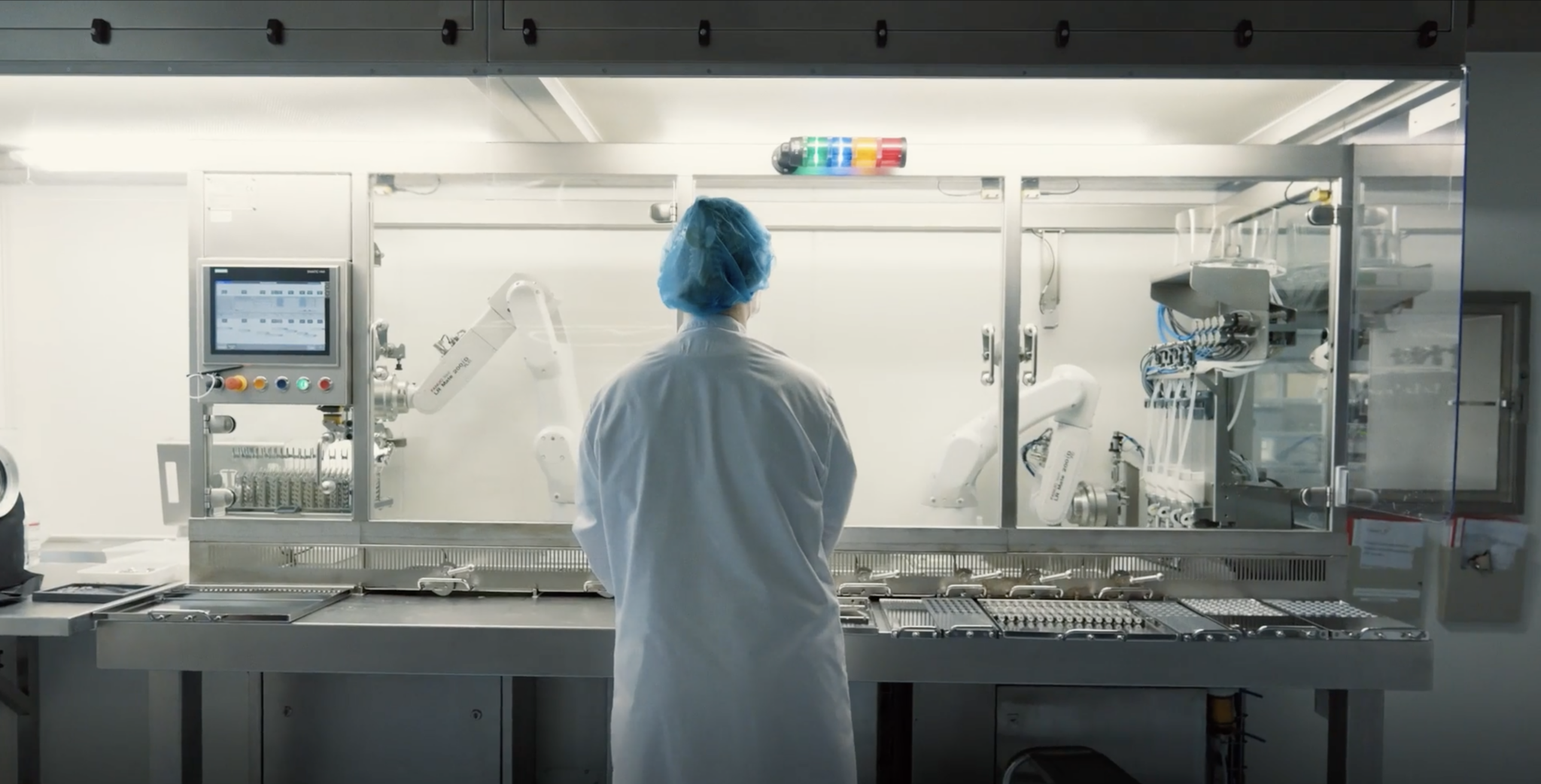
Nuclear medicine supports care across many medical fields, including:
- Oncology (cancer detection, staging, and treatment monitoring)
- Cardiology (heart function and blood flow)
- Neurology (brain and nervous system conditions)
By adding functional insight, it helps clinicians make more informed decisions at every stage of care.
What patients can expect

Most nuclear medicine procedures are straightforward and minimally invasive. Many are completed in a single visit, with patients able to return to normal activities soon after.
Local healthcare teams can explain each step clearly and answer questions, ensuring patients feel informed and supported throughout the process.
Dr Amy Eccles explains the process in the video above.
Insights that support better care

Nuclear medicine brings together science, innovation, and medicine to deepen understanding of the human body by making invisible processes visible.
It helps clinicians detect, treat, and monitor disease with greater confidence.
For patients and caregivers, it offers clearer insight, reassurance through knowledge, and care guided by a deeper understanding of how the body truly works.