
Patients and Caregivers Progress with integrity and care
Partnering closely with patients and caregivers to improve understanding of nuclear medicine through the healthcare journey.
Living with a serious disease goes beyond a diagnosis. It can affect every aspect of life, bringing emotional, physical, practical, and financial challenges for both patients and those who care for them.
At Curium, we are committed to listening, learning, and acting on what matters most to patients and caregivers. By working closely with patient communities, healthcare professionals, and advocacy organisations, we strive to support better experiences, improved understanding, and more informed care throughout the healthcare journey.

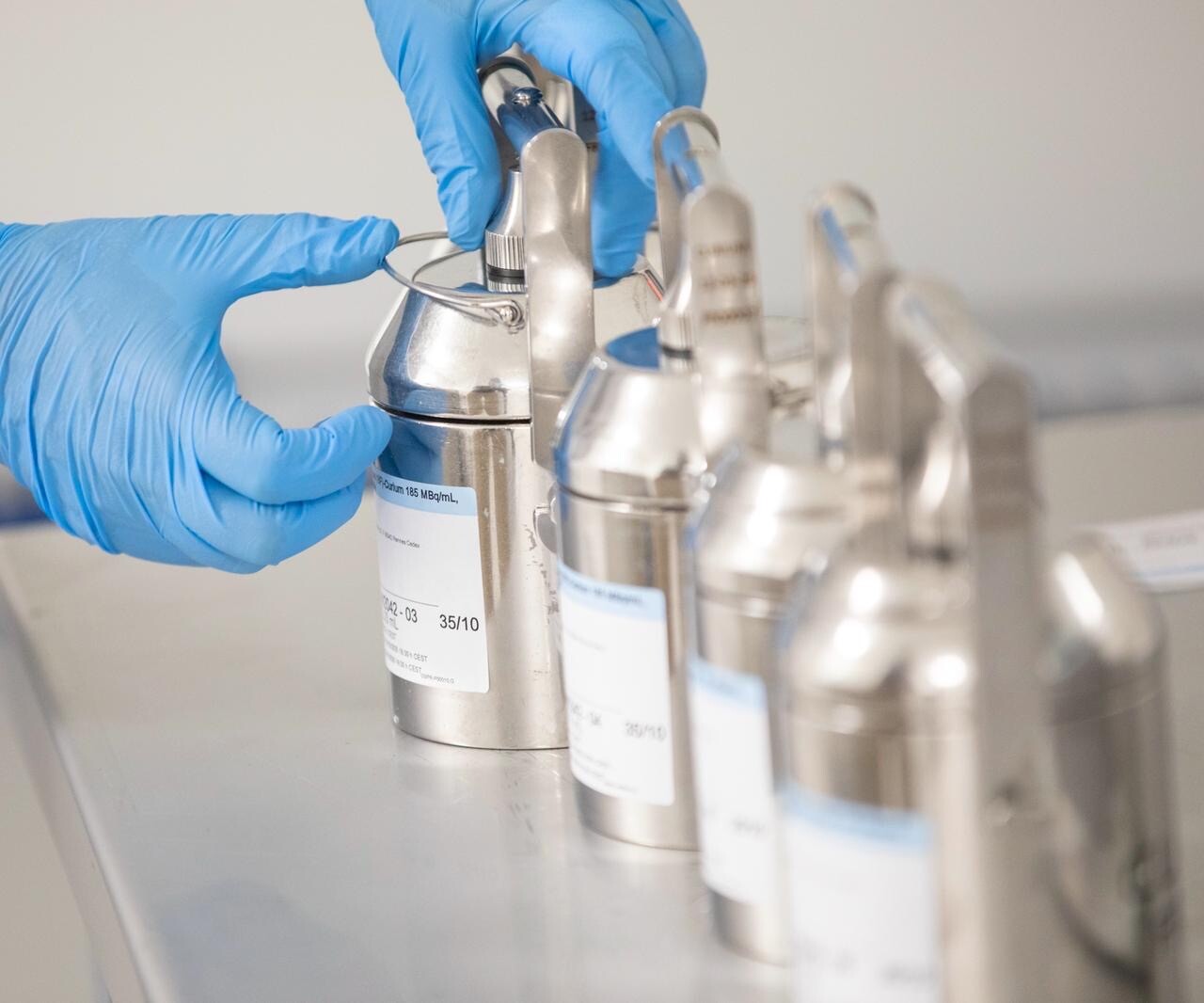
What is Nuclear Medicine?
Nuclear medicine uses a small amount of radioactive substances to diagnose and treat disease. Targeted radiopharmaceuticals for imaging can help doctors better understand the function of organs and tissues to support clinical decision-making.

A Patient's Journey
Every patient has their own unique journey during diagnosis and treatment. Learning as much as one can prior to the start of the journey.
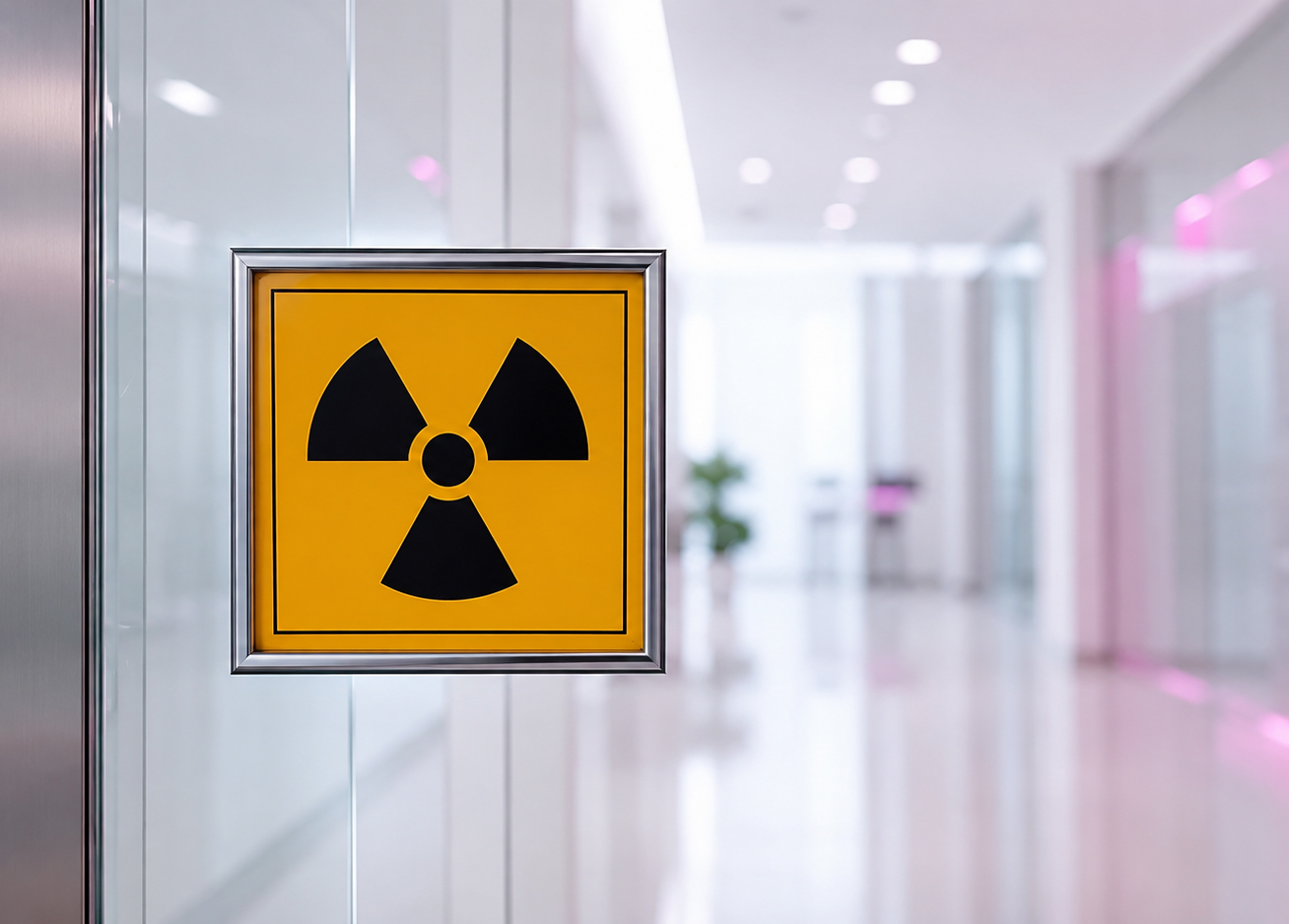
Safety Information
Find important safety information including details on how to report adverse events and product complaints.

Patient Advocacy Groups
Explore support programs, contacts, and resources to help guide you through diagnosis, treatment, and beyond.
A shared experience
Patients’ stories Real voices from the journey
First-hand patient and caregiver experiences provide insight into life with serious disease. Explore our patient and caregiver stories.
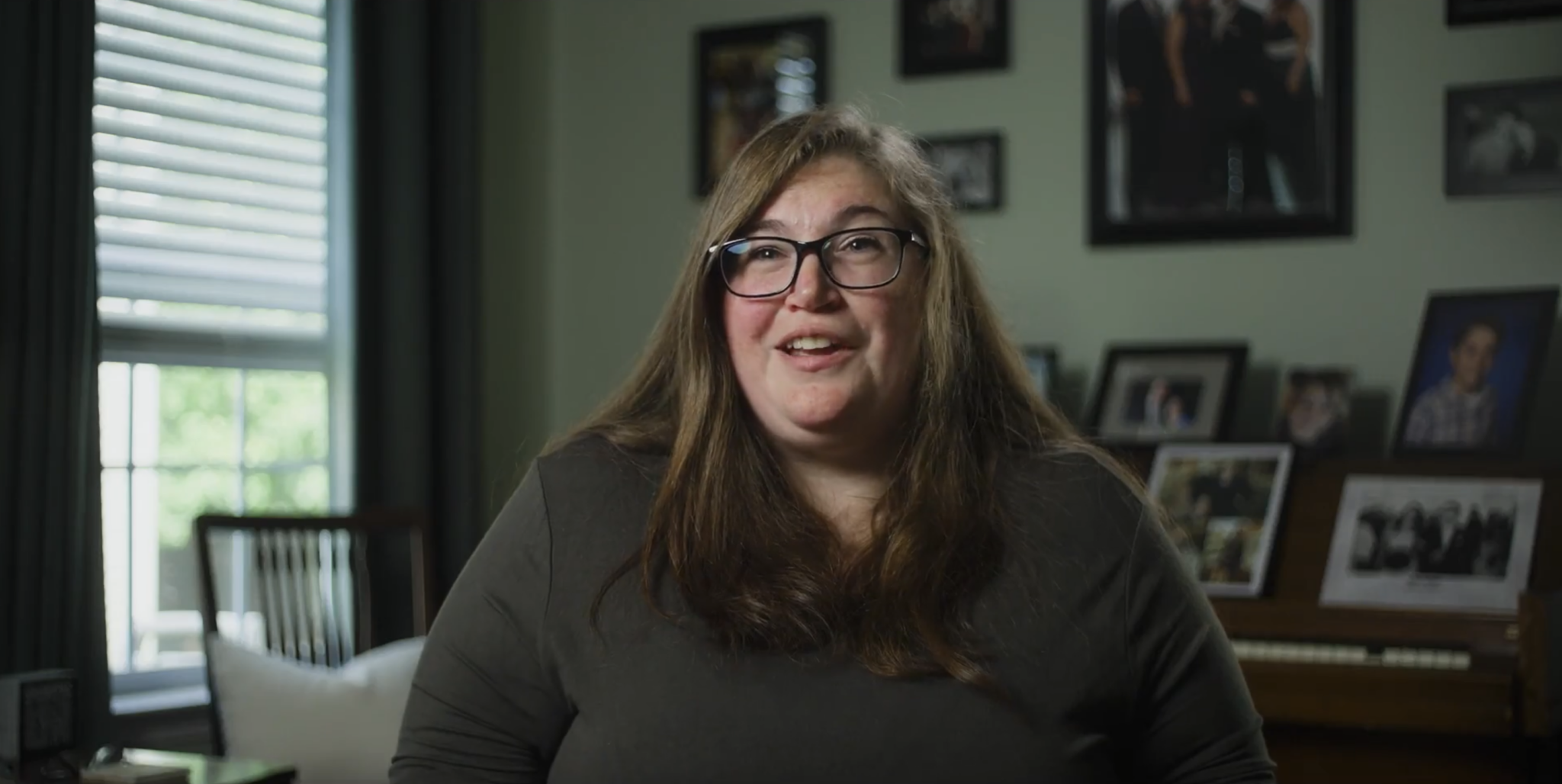
“They told me it was all in my head. Turns out, it was! It was a pituitary tumor.”
Tricia Wayman, Patient
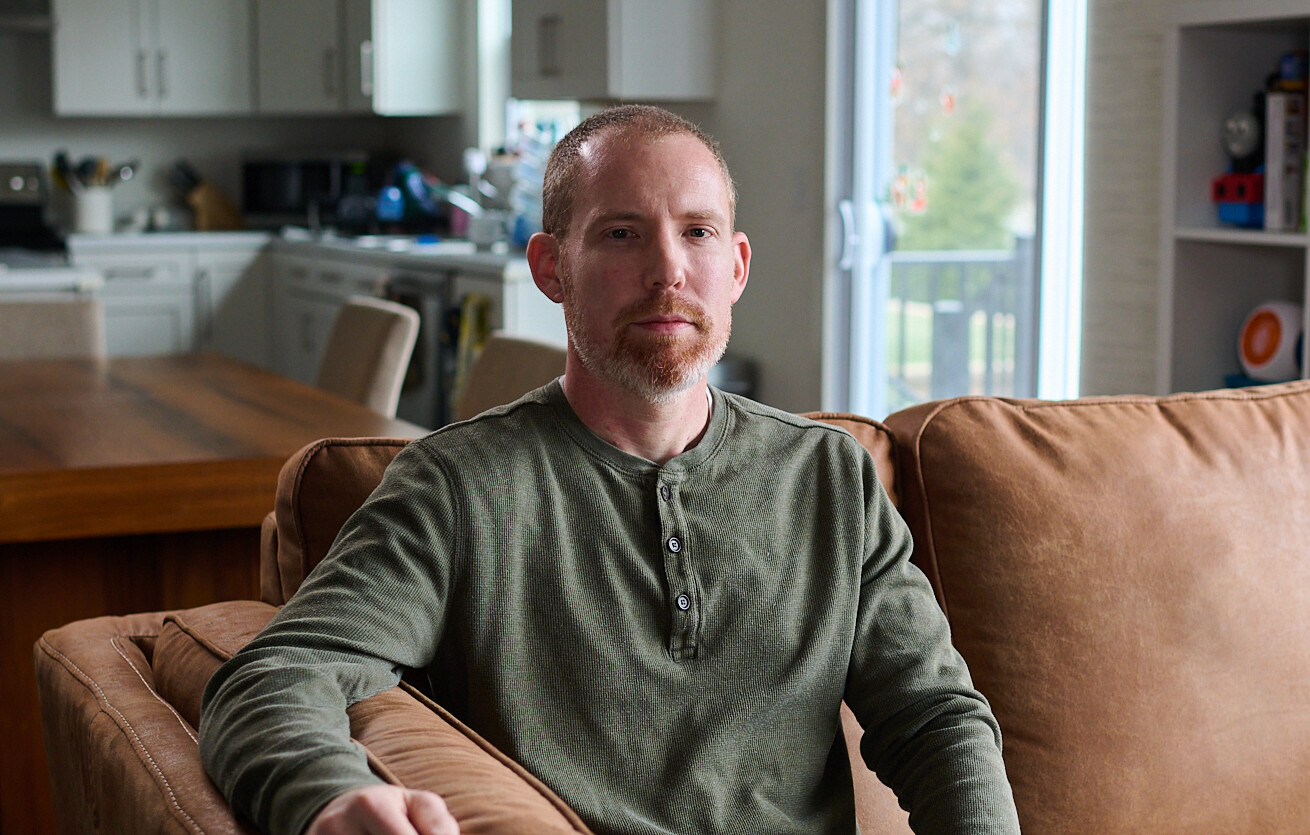
“Behind every dose is a person waiting with hope — and at Curium, that hope drives everything we do”
Ian D. Dietrich, Caregiver

“My body was attacking my thyroid, and my thyroid was fighting it by being very active.”
Leoni Van Straaten, Patient